Table of Contents
For hotel owners planning an investment in 2027, the key question is not simply “Should I build a new hotel or renovate an existing one?” The more important question is which option can deliver the best return on investment while balancing construction costs, time, guest experience, and long-term operational value.
As the hospitality industry continues to evolve, hotel owners are increasingly looking at hotel renovation, conversion, and repositioning as alternatives to building entirely new properties.
New Hotel Interior Design: Who Is It Best For?
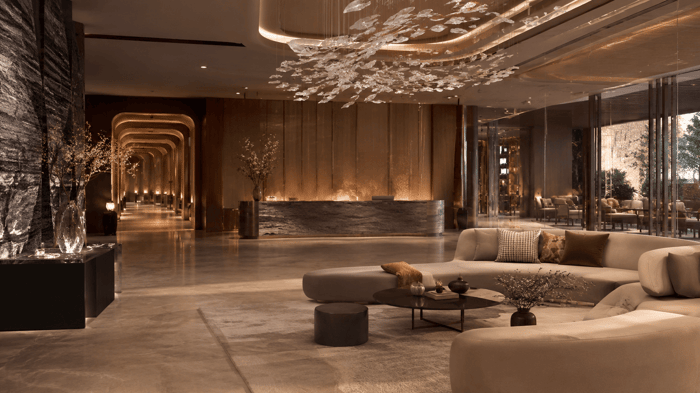
Building a new hotel offers the opportunity to control almost every aspect of the project from the beginning—from the building layout and guestroom planning to MEP systems and Hotel Interior Design.
This approach allows the design team to create spaces around a specific business model and brand positioning. For example, a new hotel can be planned from the start to include wellness facilities, restaurants, co-working spaces, or other amenities that create a stronger Guest Experience.
Another advantage is the ability to integrate energy-efficient systems, lighting strategies, and building services into the project from the beginning, rather than having to work around existing infrastructure.
Best suited for:
- New developments or sites being developed specifically as hotels
- Mid-scale to luxury hotel projects with a strong brand positioning
- Projects that require a completely new layout and building systems
- Hotel owners who want maximum flexibility in design and planning
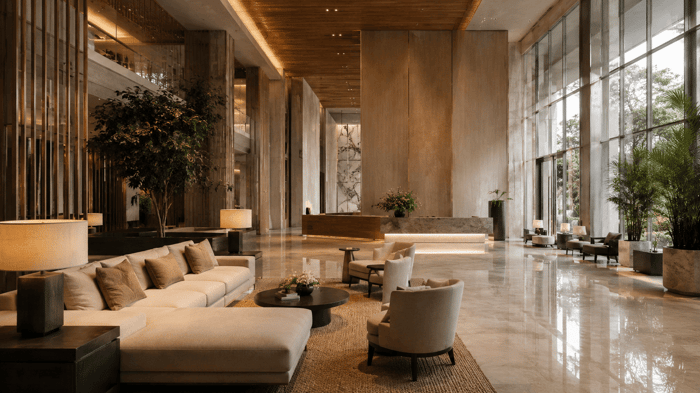
Renovating an Old Hotel: Who Is It Best For?
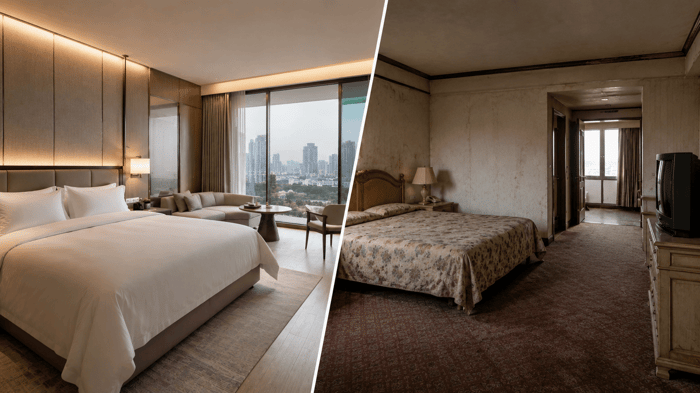
For hotels with a good location, solid structure, and existing infrastructure, Hotel Renovation can be a highly attractive investment strategy.
Instead of starting from scratch, owners can transform an existing property by focusing investment on the areas that have the greatest impact on guest perception and revenue.
A renovation project may focus on:
- Lobby and Reception
- Guestrooms and Bathrooms
- Restaurant & Café
- Corridors
- Lighting Design
- Furniture and Built-in Elements
- Acoustic Design
- Brand Identity and Interior Styling
A hotel renovation does not necessarily mean renovating every area at once. In many cases, a strategic renovation that focuses on high-impact spaces can provide better value than a complete property renovation.
However, older hotels can also present hidden challenges. Existing electrical systems, plumbing, air-conditioning systems, fire-safety systems, structural limitations, and outdated layouts may require additional investment.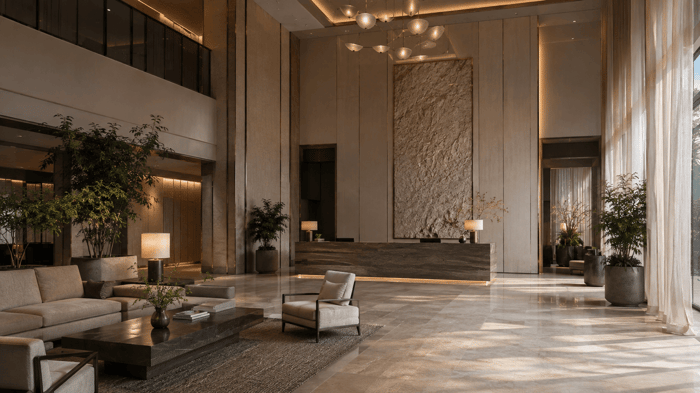
So, Which Is More Cost-Effective in 2027?
There is no single answer that applies to every hotel project.
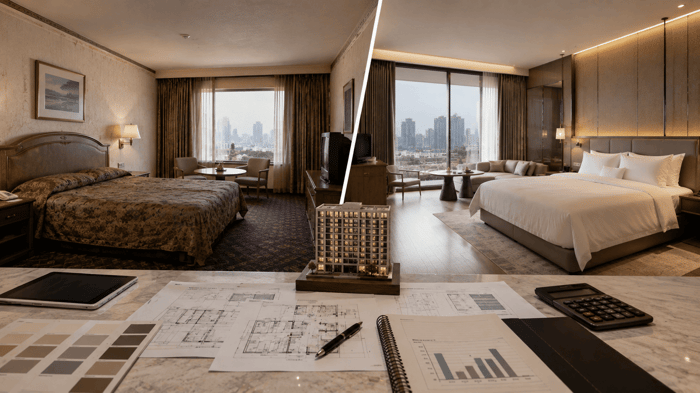
If an existing hotel has a strong location, sound structure, and flexible layout, renovation may offer a faster path to creating additional value because the owner can leverage the existing asset instead of rebuilding everything.
On the other hand, if an existing building has significant limitations in its structure, MEP systems, room layouts, or operational planning, building a new hotel may provide better long-term value.
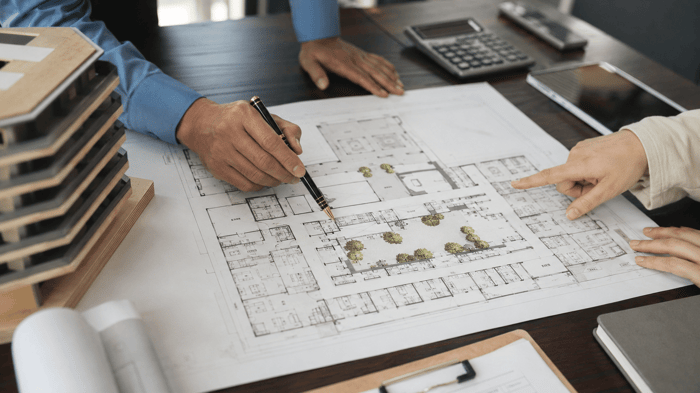
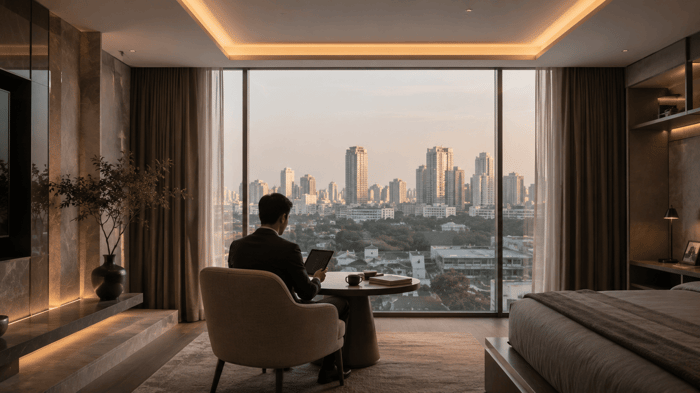
Before making a decision, hotel owners should compare at least four key factors:
- Total Investment Cost (CAPEX)
- Construction and Closure Period
- Potential to Increase ADR and Occupancy
- Long-Term Operating and Maintenance Costs
Look Beyond Construction Cost
One of the most common mistakes when planning a hotel project is focusing only on the initial construction budget.
A successful hotel investment should also consider ROI, Guest Experience, Operational Efficiency, Brand Positioning, and Long-Term Asset Value.
A new hotel may offer greater design flexibility and fewer limitations from existing infrastructure. Meanwhile, a well-planned renovation can transform an outdated property and create a new market position without requiring a completely new building.
The real question is therefore not simply “New build or renovation?”
It is:
Which design strategy can generate the greatest business value from the investment?
Conclusion
In 2027, hotel owners should evaluate new construction and renovation based on the individual potential of each property.
A new hotel may be the better choice when maximum flexibility, modern infrastructure, and a completely new brand experience are required.
A renovation may be more attractive when the existing property has a strong location, good structural conditions, and the potential to be repositioned through strategic interior design.
Ultimately, the most cost-effective solution is the one that balances investment, design quality, guest experience, operational efficiency, and long-term ROI.
At Perd Sa Gard, we provide Hotel Interior Design and Hospitality Design services for hotels, resorts, and hospitality projects, with a focus on combining aesthetics, functionality, guest experience, and business value.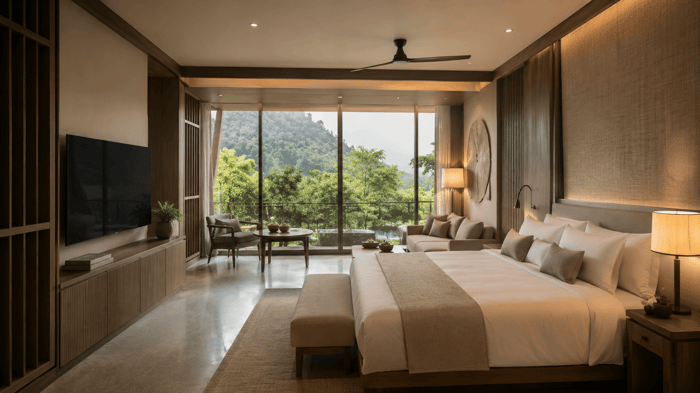
FAQs
Is building a new hotel better than renovating an old hotel?
It depends on the property's location, structural condition, investment budget, and business objectives. If the existing hotel has a strong location and solid structure, renovation may be more cost-effective. If the building has major limitations, a new development may offer better long-term value.
What should be checked before renovating an old hotel?
Hotel owners should evaluate the existing structure, electrical systems, plumbing, HVAC, fire-safety systems, emergency exits, building regulations, and overall layout before starting the renovation.
Can hotel renovation increase room rates?
Yes. A well-planned renovation can improve the hotel's positioning, guest experience, visual identity, and perceived value, which may support higher room rates. However, pricing should also be evaluated against market demand and competitors.
Should an old hotel be completely renovated?
Not necessarily. A strategic renovation can focus on high-impact areas such as guestrooms, bathrooms, lobby, corridors, restaurants, and lighting. This approach may provide better value than renovating the entire property at once.
Why should a hotel interior design company be involved early in the project?
Hotel interior design involves more than aesthetics. Designers need to consider space planning, brand identity, guest experience, operational requirements, MEP coordination, materials, lighting, and safety requirements. Early involvement can help reduce design changes, construction issues, and unnecessary costs.