Table of Contents
Starting an interior design project for a business whether it is a hotel, restaurant, clinic, office, or commercial space is not simply about choosing colors, furniture, or decorative elements. A successful project starts with clear communication between the business owner and the interior design team.
The more clearly the owner can communicate their goals, requirements, and expectations, the easier it is for an interior design company to develop a design that is both functional and aligned with the business vision.
Before consulting an interior designer, here are 5 important things every business owner should prepare.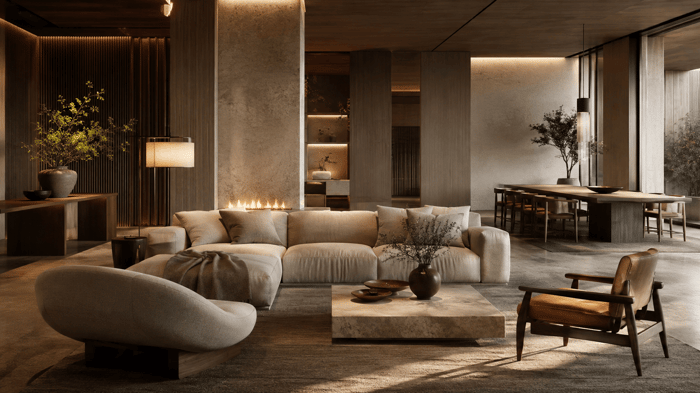
1. Business Goals and Target Customers
The first thing an interior designer needs to understand is not necessarily the design style you like, but who the space is designed for and what experience you want customers to have.
For example, a restaurant targeting young professionals may need an atmosphere that feels premium yet approachable. A beauty clinic, on the other hand, may focus more on creating a sense of cleanliness, trust, comfort, and privacy.
Understanding your target customers and business goals helps the design team make better decisions about the layout, materials, colors, lighting, and overall atmosphere.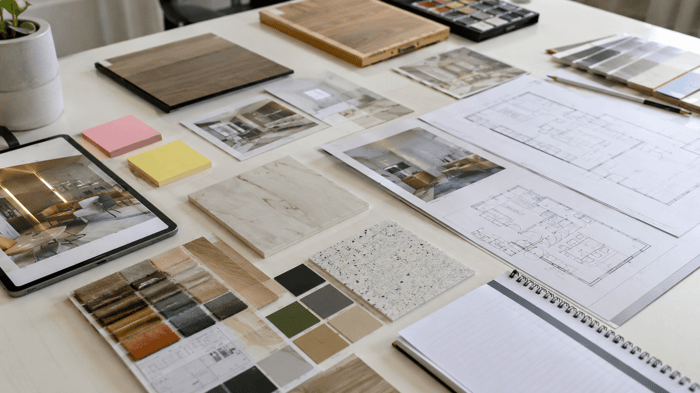
2. Your Estimated Budget
Sharing your estimated budget at the beginning does not limit creativity. Instead, it helps the interior designer develop a concept that is realistic and achievable.
Your budget may include different aspects of the project, such as:
- Interior decoration
- Built-in furniture
- Loose furniture
- Lighting
- Electrical and plumbing work
- Specialized equipment
- Construction and renovation costs
When the designer understands the budget from the start, they can prioritize key areas and recommend materials and design solutions that fit the investment level.
This can also reduce the possibility of having to make major design changes later because the original concept exceeds the available budget.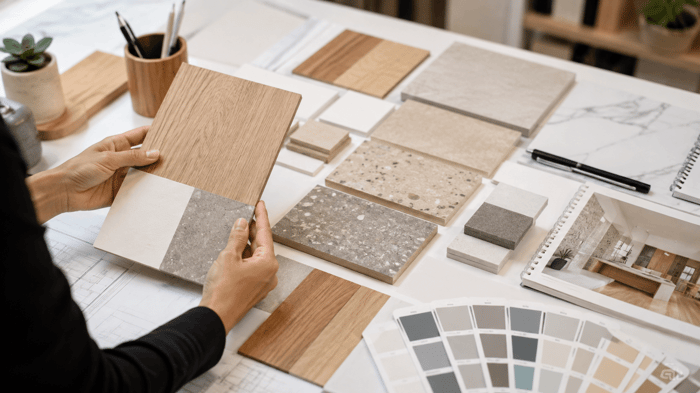
3. Space Information and Existing Plans
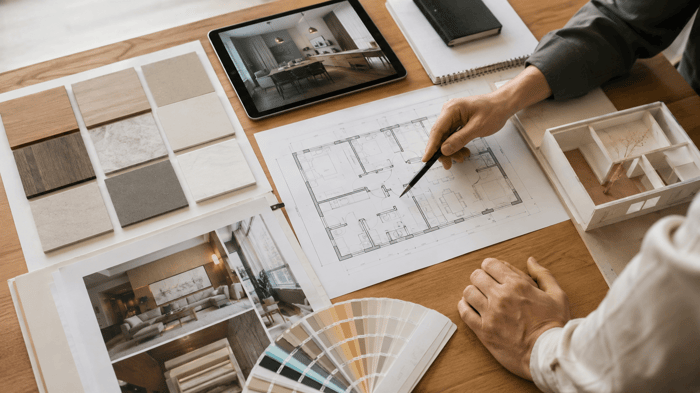
Accurate information about the existing space is one of the most important foundations of an interior design project. If available, prepare:
- Floor plans and dimensions
- Existing architectural drawings
- Column and wall locations
- Door and window positions
- Electrical and plumbing information
- Photos or videos of the existing space
If you already have CAD drawings, architectural plans, or other relevant documents, sharing them with the design team at the beginning can help the designer understand the site's limitations and develop a more accurate layout.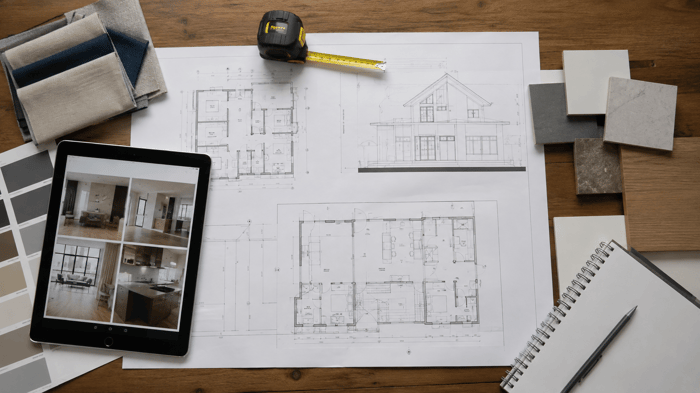
4. Design References and Preferred Style
You do not need to know interior design terminology or be able to identify styles such as Japandi, Quiet Luxury, Minimal Luxury, or Contemporary.
Simply collect images that make you think, “I like this.”
Your references can come from Pinterest, Instagram, hotels, restaurants, retail spaces, or projects you have visited.
More importantly, try to explain what you like about each reference. It could be the colors, materials, lighting, furniture, proportions, or overall atmosphere.
This helps the designer understand your preferences more accurately rather than simply copying the visual style of a reference image.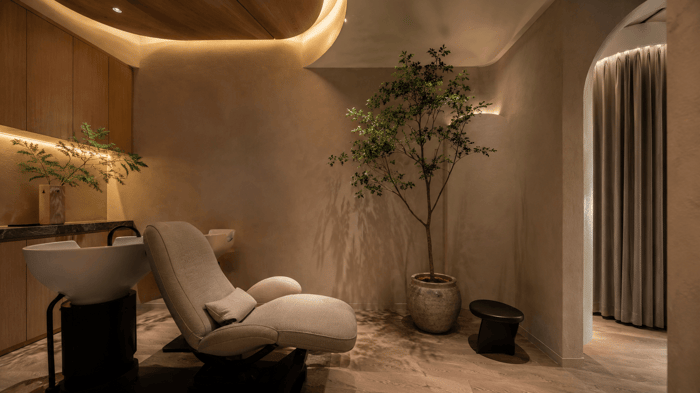
5. What You Must Have and What You Don't Want
Knowing what you don't like can be just as valuable as knowing what you like.
Prepare a simple list of your Must-Haves and Things to Avoid.
For example:
- Three consultation rooms are required.
- A large amount of storage is needed.
- Customers should be able to see the reception area immediately upon entering.
- The space should not feel too dark or enclosed.
- The design should provide privacy for customers.
These details help the interior designer understand both the functional requirements and design expectations from the beginning.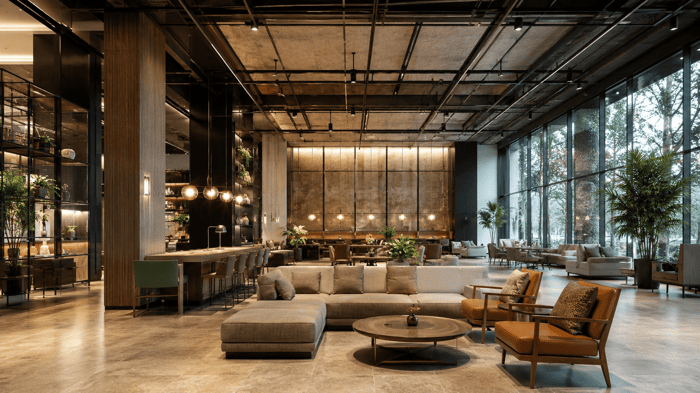
Better Preparation Leads to a Smoother Design Process
A successful relationship between a business owner and an interior design company starts with clear communication.
You do not need to have every detail figured out before meeting with a designer. Having the basic information business goals, budget, space information, design references, and key requirements is already enough to create a strong starting point.
At Perdsagard, we believe that great interior design begins with understanding the business behind the space. We look beyond aesthetics to understand the brand, target customers, user behavior, and functional requirements before developing the design concept.
The goal is not simply to create a beautiful interior, but to create a space that supports the business, improves the user experience, and reflects the identity of the brand.
If you are looking for an interior design company for your business, preparing these five things before your consultation can help make the design process faster, clearer, and more aligned with your expectations.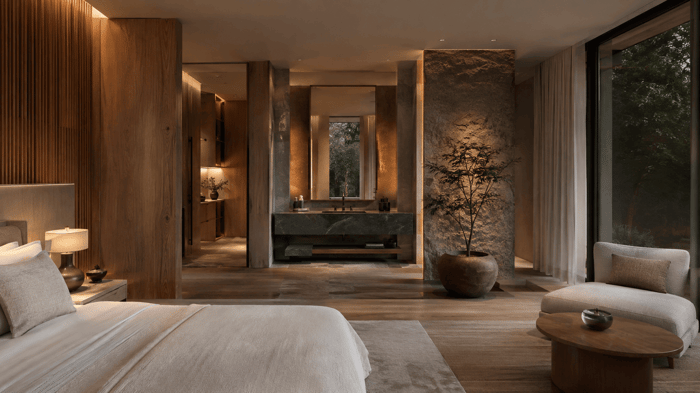
FAQs
What should I prepare before meeting an interior design company?
You should prepare your business goals, target customers, estimated budget, existing space information, design references, and key functional requirements. These details help the designer understand your project from the beginning.
Do I need an architectural floor plan before hiring an interior designer?
Not necessarily. If you do not have a complete floor plan, you can still start with basic measurements, photos, videos, or existing information about the space. Your interior designer can advise you on the next steps.
Should I tell my interior designer my budget?
Yes. Sharing an estimated budget early helps the designer develop realistic design solutions, select appropriate materials, and prioritize important areas of the project.
What if I don't know which interior design style I like?
That is completely fine. You can simply provide images of spaces you like. An experienced interior designer can analyze your preferences and translate them into a suitable design direction.
Can preparing information in advance make the interior design process faster?
Yes. Clear information helps reduce misunderstandings and unnecessary revisions. It allows the design team to develop the concept, layout, materials, and details more efficiently.