Table of Contents
The hotel industry is changing rapidly. In 2027, successful hotel interior design will not be about following a single aesthetic trend. Instead, hotels and resorts will need to create spaces that combine guest experience, functionality, sustainability, technology, and business value.
For hotel owners planning a new project or renovation, understanding these trends can help create a property that remains competitive and relevant for years to come.
1. Experience-Driven Hotel Design
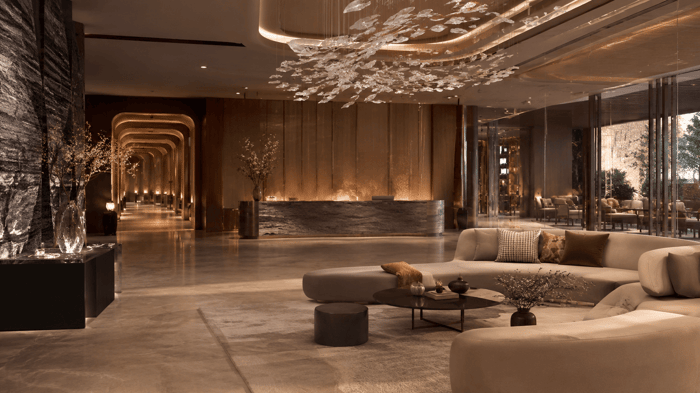
In 2027, hotel interiors will focus more on creating memorable experiences rather than simply looking luxurious.
From the lobby and guest rooms to restaurants, spas, and common areas, every space should have a clear purpose and atmosphere. Lighting, materials, scent, sound, textures, and spatial planning can all influence how guests feel and remember the property.
The goal is not just to make a hotel look beautiful, but to make guests want to stay longer, return, and recommend it.
2. Sustainable Design Becomes a Business Strategy
Sustainability will become an increasingly important part of hotel interior design.
Instead of simply adding “eco-friendly” elements, designers will consider sustainability from the beginning from material selection and energy-efficient lighting to durable furniture, natural ventilation, and materials that can be maintained or replaced easily.
For hotel owners, sustainable design can also help reduce long-term operating and maintenance costs.
3. Wellness-Inspired Hospitality Spaces
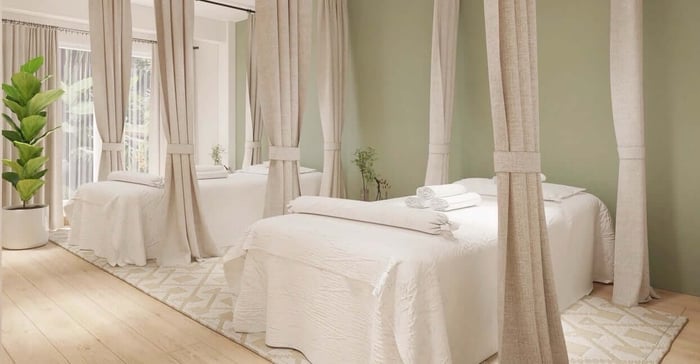
Wellness will continue to influence hotel and resort design in 2027.
Natural materials, soft lighting, calming colors, acoustic comfort, greenery, and connections to natural light can help create a more relaxing environment.
This trend is particularly important for resorts, wellness hotels, spas, and properties targeting guests who value health and well-being.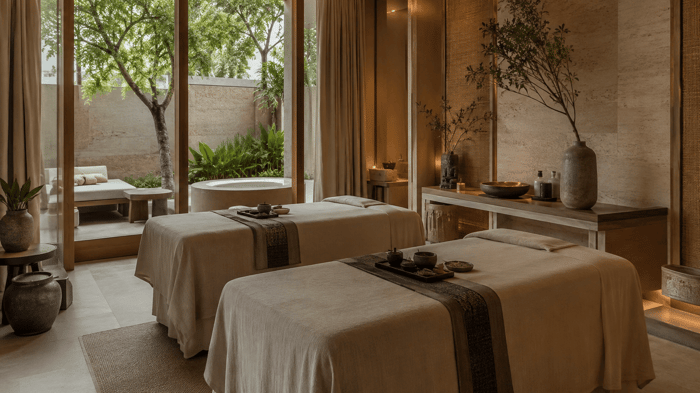
4. Flexible and Multi-Functional Spaces
Hotel spaces will need to work harder.
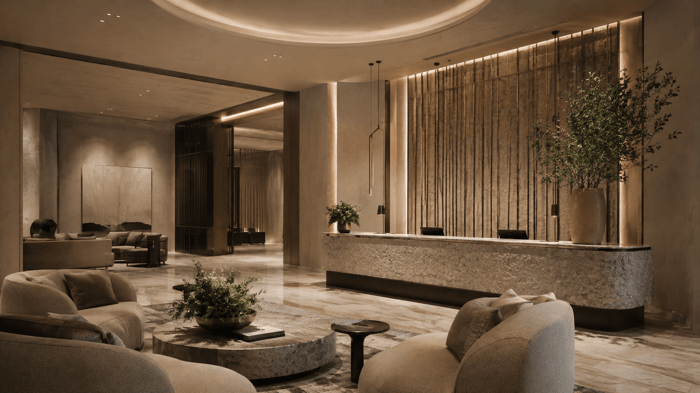
A lobby may function as a reception area, lounge, workspace, café, or social space depending on the time of day. Restaurants and event areas may also need to accommodate multiple functions.
Flexible furniture, movable partitions, adaptable lighting, and smart space planning can help hotel owners maximize the value of every square meter.
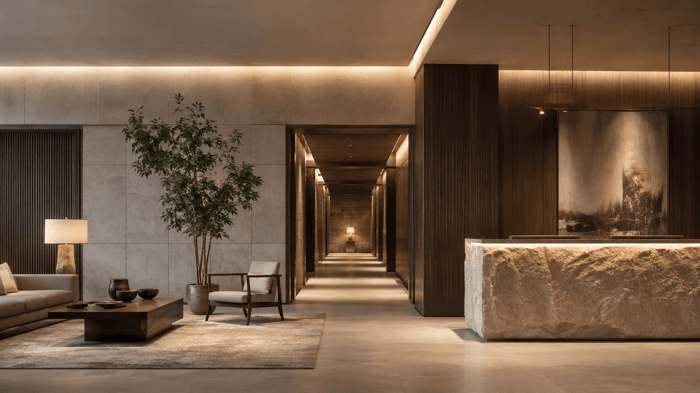
5. Quiet Luxury with a Strong Local Identity
Luxury in 2027 will become less about excessive decoration and more about quality, craftsmanship, comfort, and authenticity.
Hotels can combine premium materials with local culture, architecture, artwork, and craftsmanship to create a distinctive identity.
The result is a space that feels luxurious without looking overly designed and gives guests an experience they cannot easily find elsewhere.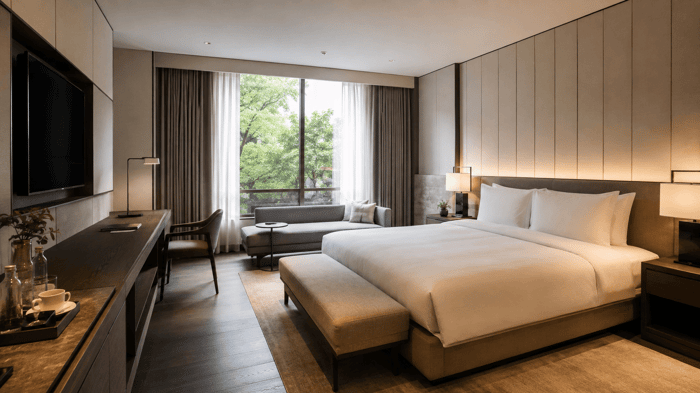
6. Technology Integrated into the Design
Technology will become more seamlessly integrated into hotel interiors.
Smart lighting, automated room controls, digital check-in, charging solutions, and energy-management systems should be incorporated into the design without making the space feel overly technical.
The best technology is often the technology guests can use effortlessly without noticing it.
Design for ROI, Not Just Aesthetics
For hotel and resort owners, the most important trend in 2027 may be ROI-driven interior design.
Every design decision should be connected to business performance whether it helps increase room rates, improve guest satisfaction, encourage longer stays, strengthen the brand, reduce maintenance costs, or create additional revenue opportunities.
A successful hotel interior is not simply beautiful. It is designed to create value.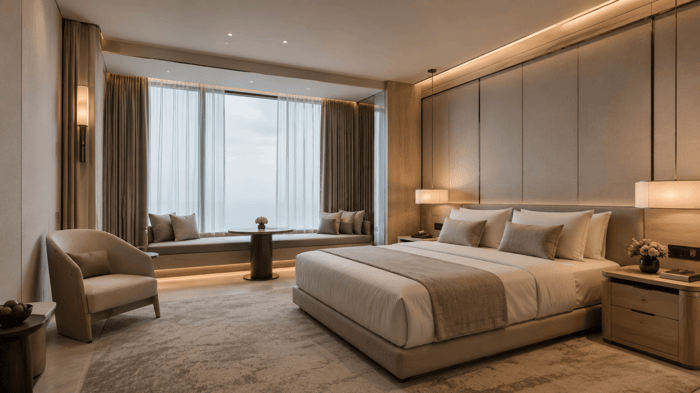
Conclusion
Hotel interior design in 2027 will move beyond visual trends toward experience, sustainability, wellness, flexibility, technology, local identity, and measurable business value.
For hotel owners planning a new property or renovation, working with an experienced hotel interior design company can help transform these trends into practical design decisions that support both guest experience and long-term business growth.
Perdsagard specializes in interior design for hotels, resorts, wellness spaces, and hospitality projects, with a focus on creating spaces that combine design quality with business objectives.
FAQs
What are the biggest hotel interior design trends for 2027?
The major trends include experience-driven design, sustainable materials, wellness-inspired spaces, flexible layouts, quiet luxury, integrated technology, and ROI-focused design.
What is Quiet Luxury in hotel interior design?
Quiet Luxury focuses on high-quality materials, craftsmanship, comfort, and timeless design rather than excessive decoration.
Why is ROI important in hotel interior design?
Good hotel design should support business goals such as increasing room rates, improving guest satisfaction, encouraging longer stays, reducing maintenance costs, and creating additional revenue opportunities.
How can sustainable design benefit hotel owners?
Sustainable design can improve energy efficiency, extend material and furniture lifespans, reduce maintenance requirements, and potentially lower long-term operating costs.
What makes Perdsagard different from a general interior design company?
Perdsagard focuses on hospitality-related projects such as hotels, resorts, wellness spaces, and other commercial environments, with an emphasis on creating design solutions that connect aesthetics with business objectives.